Tyromer Technology Asia Official Website
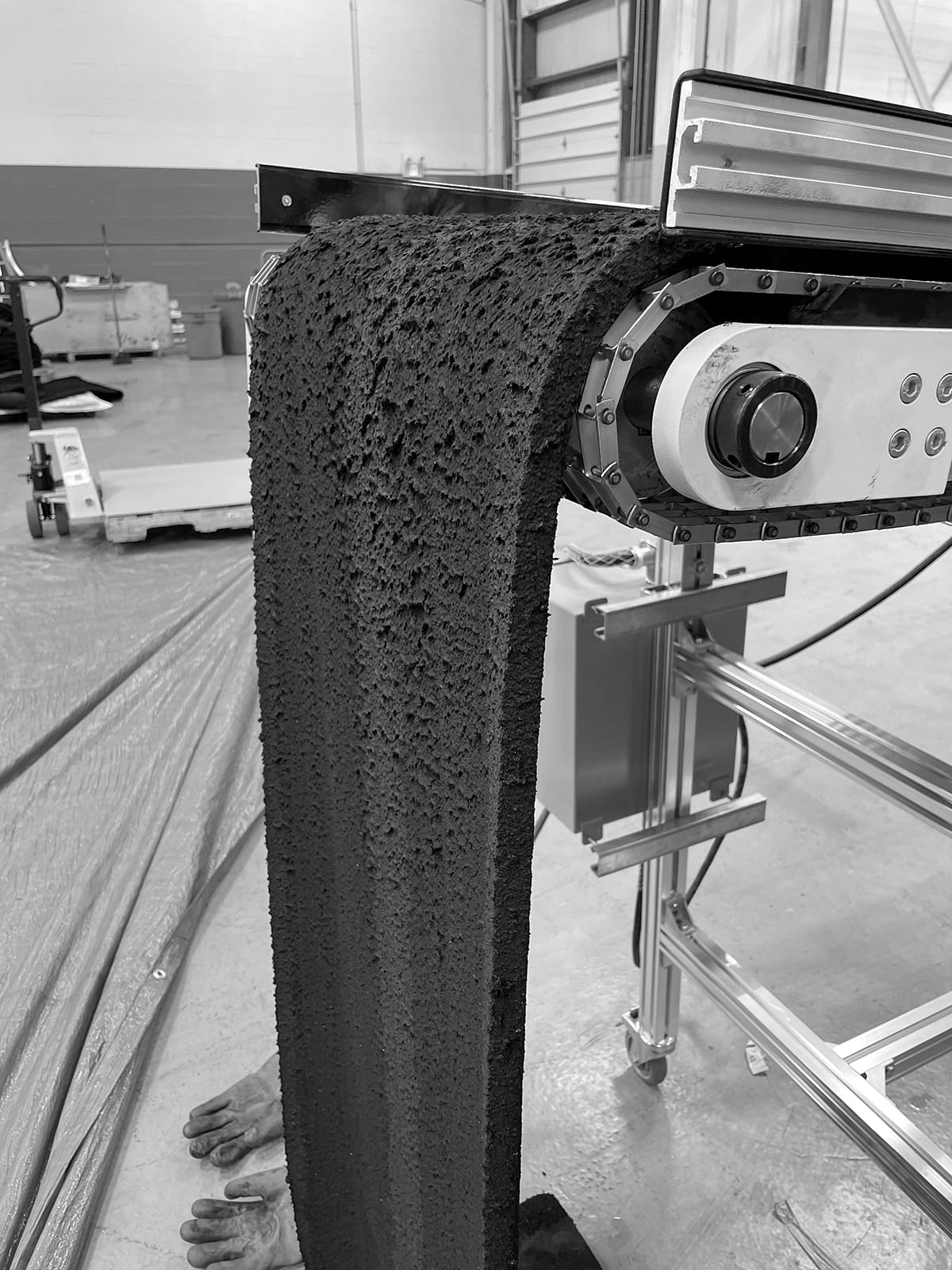
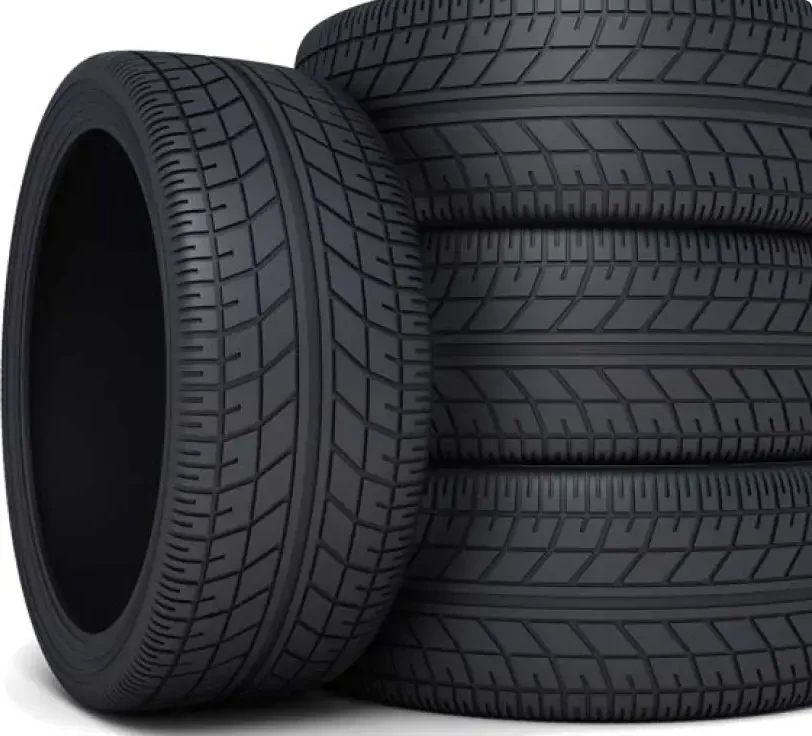
New Tire Production
TDP has been used in the tread and sidewalls of new passenger, truck, and off-the-road (OTR) tires, typically at around 15% loading. Higher loading levels can be used in second- and third-tier applications.
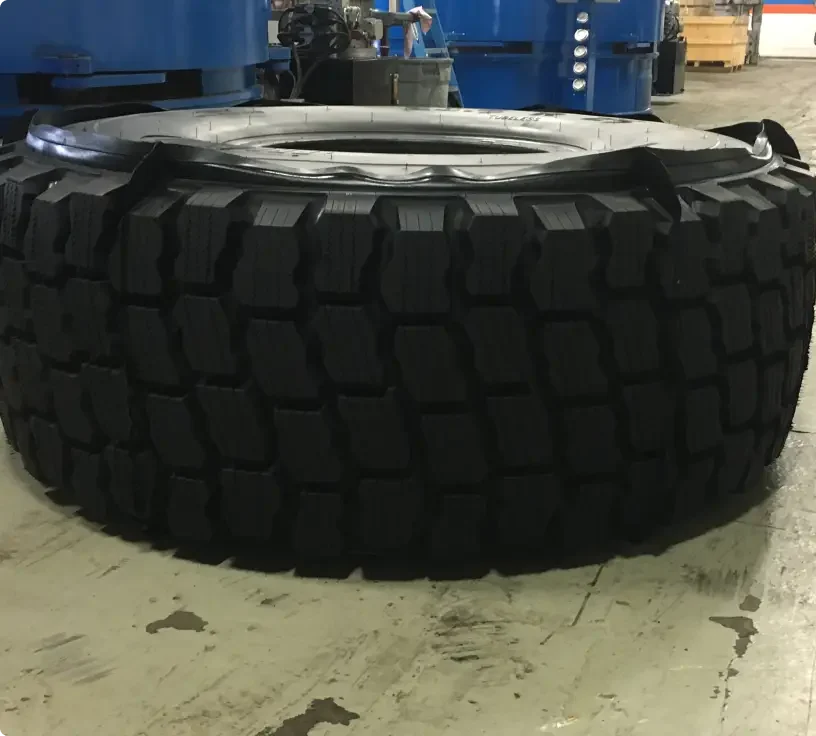
Tire Retreading
TDP’s high abrasion resistance, high tear strength, and low heat buildup and hysteresis make it an ideal choice for tire retreading. Typical loading levels range from 15% to 20%, and can reach up to 30% in OTR retreading applications. To date, more than 10,000 OTR tires have used TDP as a retreading material.
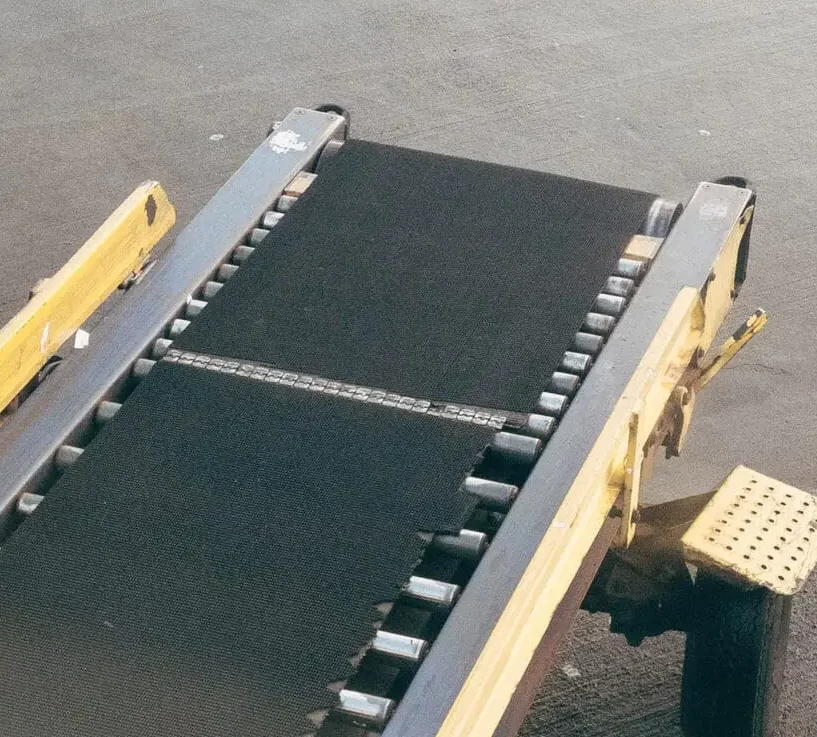
Rubber Tracks
TDP offers excellent properties and processability. It is typically used at a 20% loading level in conveyor belts, and can reach 40–50% in second- and third-tier products.
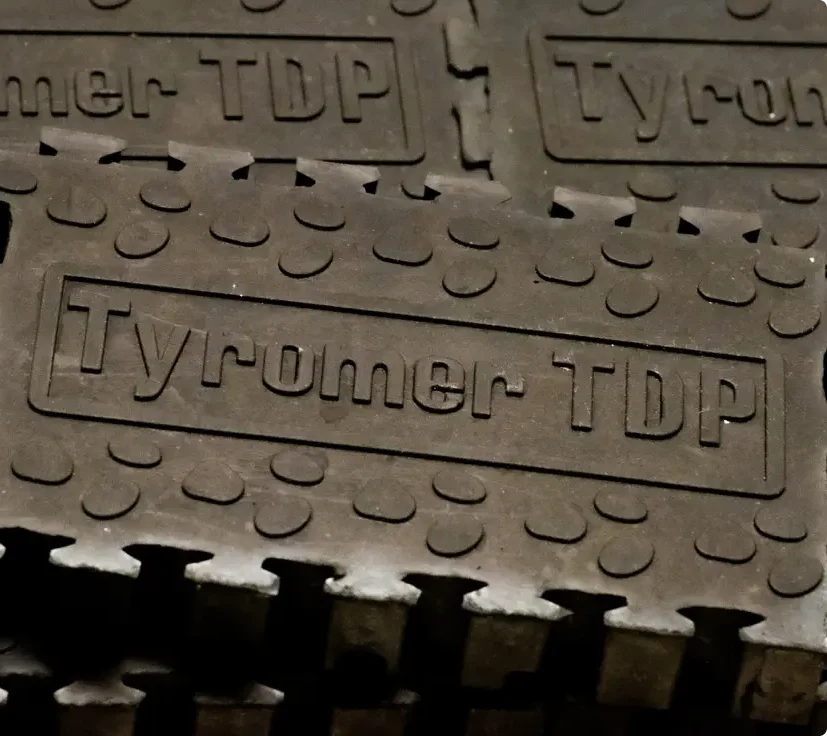
Molded Products
TDP can be used in a wide range of applications, including automotive components and small non-automotive tires. Depending on application requirements, loading levels can typically reach 50% and, in some cases, up to 100%.
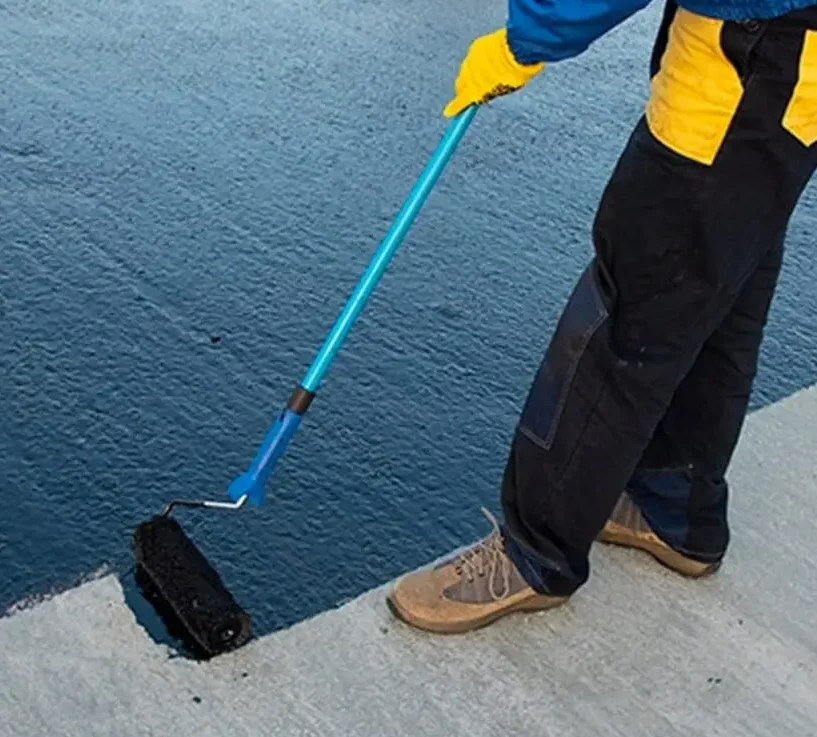
Liquid Sealants
Tyromer is developing a liquid TDP for use as a rubber sealant in waterproofing applications. It can also be used for road repair, rubber coatings for industrial metal panels, corrosion-resistant coatings for marine structures, and general coating applications.
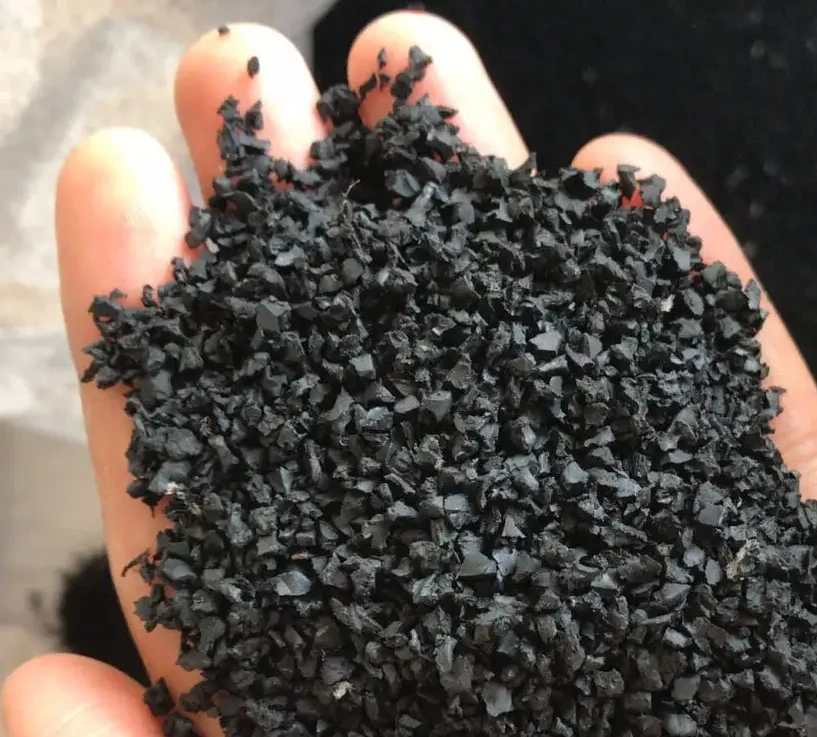
Thermoplastic Vulcanizate (TPV)
Thermoplastic Vulcanizate (TPV) is a high-performance automotive polymer produced by dynamically vulcanizing EPDM with polypropylene in an extruder. Tyromer is developing TDP-based TPV materials.
Tyromer produces TDP (Tire-Derived Polymer) from scrap & end-of-life tire rubber. TDP is a high-quality devulcanized rubber compound that is intended to replace masterbatch material, to be used in a wide variety of applications including tires.
TDP retains excellent dynamic properties. There are no additives, no devulcanization chemicals or chemical solvents used, and TDP has excellent shelf life and processability that is important in mixing.
 In addition to being produced in an environmentally friendly process, TDP can be reused in tires typically in the 10-30% range. This separates it from other recycled rubbers which are typically used at lower percentages. For this, TDP received the 2018 Gold Edison Award in the Energy & Sustainability / Resource Reuse Category.
In 2020, Tyromer TDP was selected #3 of European Rubber Journal’s Top 10 Elastomers for Sustainability.
Typical crumb rubber is lower quality and used in synthetic turf fields, playgrounds, molded rubber products, but is not used much in tires. Very fine crumb (MRP or Micronized Rubber Powder) is made via a cryogenic grinding process and is also used in limited amounts in tires, generally in the 5% range as a filler.
Reclaimed rubber, primarily from China and India, is made using reclaiming chemicals and chemical solvents. Because the rubber molecules are damaged in the reclaiming process, reclaimed rubber has compromised dynamic properties and cannot be used in large quantities in quality tires. Furthermore, the excessive use of chemicals does not align with the environmental sustainability mandates of socially responsible organizations.
TDP is made through a carbon dioxide-assisted thermo-mechanical continuous extrusion process. Crumb rubber, free of metal and other contamination in the size range of ~20 mesh or ~.85mm, is used as feedstock.
In TDP production, absolutely no devulcanization chemicals or chemical solvents are used. Crumb rubber is fed directly into the extruder and TDP emerges moments later. When running continuously the conversion is essentially 100% with no waste by-product. The process is also energy efficient.
Please see TDP Production in this video:
The composition of TDP will mirror that of the feedstock used to create it, since no chemicals or additives are used in the production process. Tyromer’s technology will not change the chemical composition of the material. When TDP is produced from tire rubber, typically a percentage of natural rubber, synthetic rubber, and carbon black will be observed.
The quality of TDP is largely affected by the quality and source of feedstock used to create it.
Tyromer has standardized TDP-B material made from truck tread, which usually has properties of about 10 MPa and 250% EB. Again, properties of TDP will largely depend on the feedstock used to create it.
Tyromer TDP is master batch replacement material with excellent dynamic properties, making it ideally suited for the tire industry. TDP is environmentally sustainable and cost-effective, and can be used in a wide variety of rubber applications.
Generally, TDP is well-suited for:
- New Tire Production: PLT, Truck, OTR, Solid, Agricultural, Mining, Non-Vehicle Tires
- Tire Retreading: Truck, OTR, Solid Tires
- Conveyors and Material Handling Components
- Rubber Molding: Automotive and Industrial
- Consumer Goods: Rubber Mats, Shoe Soles, etc.
Using TDP to replace master batch material at the 20% level typically provides an 8-10% material cost savings. The price of TDP can depend on volume and frequency but generally, TDP will have a guaranteed cost savings compared to standard natural rubber RSS3.
The amount of TDP loaded into a master batch compound depends on the application and grade of TDP. For tire applications, TDP-B is generally used at the ~20% level. In less stringent tires such as agricultural, 30%+ can be realized. For applications such as shoes or parts molding, load levels could be 50% or even up to 100%.
Typically, adding TDP into a master batch compound can result in a slight drop in tensile strength and elongation. However in most cases, TDP also improves key performance properties in metrics such as Cut & Chip, DIN Abrasion and Hysteresis/Heat Build-up. Such as with any new raw material, TDP usage should be tested and optimized per application for best results.
Tyromer has in-house rubber compounding expertise to assist and collaborate with product development. While Tyromer is not a compound development company, we have years of experience working with TDP. We have established Best Practices for compounding with TDP, and are always happy to meet with external technical or R&D teams for discussion and/or review of data.
Consistent feedstock material is the key to producing consistent TDP. All materials should be ~20-40 mesh size (<.85mm) and free of contamination such as metal or wood, and 1% or less of moisture or fiber. In some cases there may be exceptions to this specification; please discuss further with Tyromer team as needed.
Yes, Tyromer technology can devulcanize a variety of sulfur-cured rubbers in addition to tire rubber. NR, EPDM, SBR, BR, IIR, factory scrap material, and others all have potential.
Yes, Tyromer strives for continuous improvement in both product and technology. The Company has a robust R&D program led by Tyromer technology inventor and CTO, Professor Costas Tzoganakis of the University of Waterloo. Because TDP can be used in diverse applications, Tyromer collaborates with partners in product development to address specific requirements, both in performance and cost.
Tyromer produces TDP at their pilot facility in Kitchener, Ontario, Canada, and at their brand new facilities in Windsor, Ontario, Canada, and Arnhem, The Netherlands in Europe.
Tyromer licenses its technology, and so TDP could potentially be produced almost anywhere in the world. If TDP is required outside of North America or Europe, one of Tyromer’s licensed operations could supply this.
If your company purchases raw materials for compounding, Tyromer can supply TDP directly in North America and Europe. As mentioned in the previous question, if needed elsewhere in the world one of Tyromer’s licensed operations could likely supply this TDP.
If your company purchases pre-mixed rubber compound, Tyromer can work with your compounder to incorporate TDP into your compounds. Tyromer can also suggest some trusted partners to work with regarding custom compounding needs.
 TDP is made from scrap tires, and can be used in new rubber products to enable a truly circular economy. Using TDP conserves over 90% of the energy required to make new tire material, and using just a single ton of TDP saves the Greenhouse Gas equivalent of 4 passenger cars driven for a year. TDP is environmentally sustainable because no devulcanization chemicals or chemical solvents are used in its production. Finally, scrap tire rubber can be used again for its originally intended purpose!
For this, Tyromer received a 2018 Sustainability Leadership Award
from Business Intelligence Group.